


Views: 0 Author: Site Editor Publish Time: 2026-10-01 Origin: Site


Designing packaging for high-end retail involves a delicate balancing act. Brands strive to deliver a breathtaking unboxing experience. However, they must also guarantee rigorous product protection during complex transit networks. Rigid slide-out packaging looks beautiful on a retail shelf. Yet, the items inside frequently suffer devastating damage. This happens when the internal cavity lacks precise dimensional control. Without proper shock absorption, fragile items shift, collide, and break before reaching the customer. This guide explores how to specify the perfect drawer box insert. We objectively evaluate material options, engineering tolerances, and underlying cost structures. You will discover exactly how to balance aesthetics against structural integrity. Ultimately, we provide the technical knowledge you need to select a reliable packaging insert. You can confidently protect your goods and delight your buyers.
A premium drawer gift box serves two distinct masters. First, it must survive the transit network without a single defect. Second, it must present the product flawlessly upon opening. We call this the dual mandate of retail packaging. When you ignore this balance, profit margins suffer. Damaged goods lead to expensive product returns. Replacements eat away at your top-line revenue. Furthermore, brand reputation takes a massive hit. Customers readily share unboxing failures on social media platforms. This negative exposure deters future buyers instantly.
Compare these high failure costs against the unit price of a precision-cut insert. The math clearly favors investing in engineered protection upfront. Securing a fragile item prevents catastrophic transit failures. A well-designed cavity acts as an insurance policy for your merchandise.
Drawer boxes utilize a unique sliding mechanism. This creates different physical stresses compared to standard top-loading rigid boxes. As the inner tray slides out, it generates horizontal sheer forces. Products shift horizontally if the cavity feels too loose. To counteract this sliding dynamic, we must engineer the insert differently. The cavity walls must hug the product tightly. They must absorb horizontal kinetic energy during transit drops. Standard magnetic closure boxes rely more on vertical compression. Sliding boxes demand precise lateral stabilization to function properly. Without this lateral support, heavy items will smash through the outer cardboard walls.
Choosing the right material dictates packaging success. We evaluate options based on structural performance, visual appeal, and environmental compliance. You must match the material to your specific product profile.
EVA foam delivers exceptional high-density protection. It maintains premium structural integrity under intense physical stress. We highly recommend it for heavy or extremely fragile merchandise. High-end cosmetics, technology hardware, and heavy glassware pair beautifully here. EVA absorbs sudden shocks effectively. However, EVA carries a noticeably higher unit cost. Historically, it posed environmental challenges as a non-biodegradable synthetic. Fortunately, recyclable EVA variants are now entering the global supply chain. These modern alternatives maintain strength while satisfying eco-conscious consumers.
Polyurethane (PU) sponge foam offers a highly cost-effective alternative. It feels incredibly soft and remains highly compressible. We find it excellent for lighter retail items. Delicate jewelry and small fashion accessories nestle safely inside. The primary risk involves aesthetic perception. Sponge often feels slightly less premium than dense EVA. Additionally, it remains prone to slight sagging or warping over extended storage periods. We do not recommend standard PU sponge for items heavier than 200 grams.
Sustainability mandates drive many modern packaging decisions. Paperboard and molded pulp provide 100% recyclable, FSC-compliant solutions. Paperboard allows for highly customizable, folded geometric structures. Molded pulp creates beautifully organic, contoured holding cavities. They perfectly align with strict eco-friendly brand values. The main drawback involves initial production hurdles. Molded pulp requires high Minimum Order Quantities (MOQs). These high production volumes help offset expensive initial tooling costs. However, once you scale, pulp becomes incredibly economical.
Thermoformed plastic trays offer an exacting three-dimensional fit. They hold complex products with incredible precision. You can easily apply velvet flocking over the plastic surface. This finishing technique creates a highly desirable luxury feel. The base material remains extremely lightweight. Yet, specific risks do exist. Thin plastics can crack under extreme blunt impacts. Furthermore, extensive plastic usage often conflicts directly with corporate sustainability goals. Brands seeking green certifications frequently avoid virgin PET blisters.
Material Comparison Overview
| Material Type | Best For | Shock Absorption | Eco-Friendliness |
|---|---|---|---|
| EVA Foam | Heavy, fragile luxury goods | Excellent | Low (Improving) |
| Sponge/PU Foam | Lightweight accessories | Moderate | Low |
| Molded Pulp | High-volume sustainable retail | Good | High (FSC) |
| Thermoformed PET | Complex 3D shapes | Moderate | Low to Moderate |
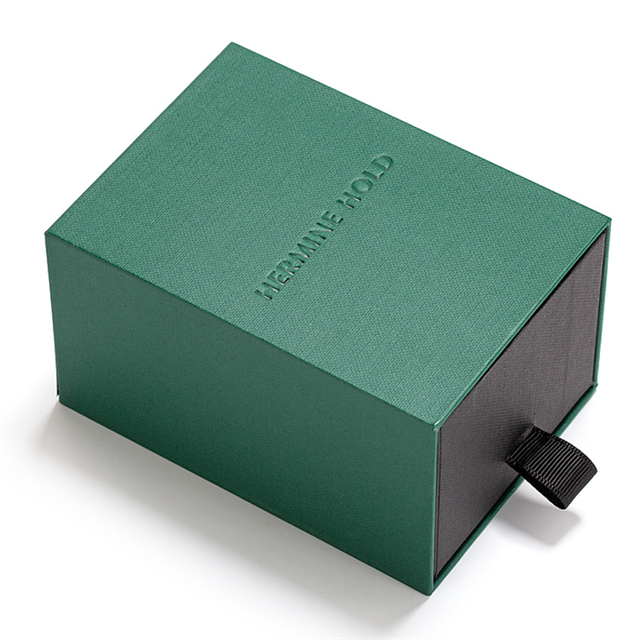
We must navigate the critical clearance between three distinct elements. These include the custom insert, the physical product, and the outer drawer sleeve. If the insert sits too loosely, items rattle and break. If the insert fits too tightly inside the sleeve, the drawer binds. A variance of just two millimeters ruins the smooth sliding experience. Engineering exact tolerances prevents these frustrating scenarios. Quality assurance teams often reject entire shipments due to a 2mm sizing error.
To achieve this accuracy, abandon manual flat measurements. Rulers and calipers often miss complex product curvatures. Instead, rely on exact physical product sampling. We always recommend precise 3D CAD modeling. Digital scanning captures the true volumetric footprint of your unique item. Packaging engineers use this data to carve out perfect housing cavities. They can simulate how the product rests inside the tray before cutting any physical material. This digital verification step saves immense time and money.
A tight cavity fit protects the item during drops. However, a tight fit introduces a new functional problem. How does the user actually get the product out? If you ignore extraction design, consumers feel immense frustration. They risk damaging the product trying to pry it loose. You must implement ergonomic extraction mechanisms into your design. Common solutions include:
Selecting a drawer box insert requires deep financial analysis. You must weigh upfront tooling against long-term unit pricing. We offer a transparent breakdown of this critical dynamic. Proper forecasting prevents budgetary overruns down the line.
Die-cut foam typically requires a very low tooling investment. A simple steel rule die costs little to manufacture. However, the per-unit material cost remains relatively high. Conversely, molded pulp requires expensive custom metal molds upfront. Yet, once you pay for the mold, the unit cost drops drastically at scale. You must calculate your breakeven point based on annual sales volume. If you sell fewer than 5,000 units annually, die-cut foam usually wins. If you sell 50,000 units, molded pulp dominates the financial model.
You must also consider strict supply chain realities. Sourcing custom packaging inserts involves highly specific lead times. Standard foam or folded paper inserts usually take three to four weeks. If you request complex finishes, adjust your timeline accordingly. Velvet flocking or multi-layered glued assemblies add one to two extra weeks. Always build this buffer into your master production schedule.
Finally, learn exactly when to downgrade your material specifications. Expensive, high-density EVA often acts as pure overkill. For example, non-fragile apparel or soft goods do not need severe shock absorption. A cleverly folded paperboard structure easily suffices. It drastically cuts costs while maintaining a remarkably clean aesthetic. Paperboard also ships flat, which significantly reduces your inbound freight expenses.
Finding the right manufacturing partner ensures consistent quality control. You must implement strict testing protocols during the prototyping phase. Do not simply trust a beautiful digital rendering. Demand rigorous physical stress tests. We recommend following recognized industry frameworks like ISTA (International Safe Transit Association) testing standards. These rigorous protocols expose packaging weaknesses before mass production begins.
Always request an unprinted, die-cut white sample first. This critical prototype allows you to test pure structural integrity. You can evaluate the friction of the sliding tray mechanism. You can physically verify the product extraction points. Once the physical geometry passes all tests, you can confidently commit to high-volume printing.
When shortlisting vendors, rigorously evaluate their physical production setup. Seek partners boasting in-house die-cutting and custom molding capabilities. Outsourced fabrication often creates massive quality assurance blind spots. In-house control ensures your critical dimensional tolerances remain consistent across thousands of units. Ask potential vendors to walk you through their internal quality check procedures. Transparent communication here prevents costly surprises later.
Effective product protection requires highly strategic material alignment. You must match your chosen insert material directly to product weight and fragility. Furthermore, the material must reflect your core brand values, especially regarding environmental sustainability. A beautifully designed package completely fails if the product arrives shattered.
Take actionable steps today to improve your retail packaging strategy. First, audit your current transit damage rates to establish a clear baseline. Next, reach out to your packaging partners immediately. Request physical sample materials, including dense foam, molded pulp, and folded paper. Evaluate the tactile quality of each option carefully. Finally, test the physical fit with your actual products. These proactive measures guarantee a flawless unboxing experience for every customer.
A: Typically ranges from 500 to 1,000 units for die-cut foam or paperboard, but molded pulp often requires 5,000+ units due to mold costs.
A: Yes, common finishes include velvet flocking on plastic/foam, satin fabric linings, or soft-touch lamination on paperboard.
A: A minimum buffer of 10mm to 15mm on all sides is standard for shock absorption, though heavy/fragile items may require up to 25mm of dense foam.


