


Views: 0 Author: Site Editor Publish Time: 2026-10-08 Origin: Site


Modern food brands face a strict core tension. They want rigid structural packaging appeal. They also demand high sustainability. However, they cannot compromise product freshness. They cannot sacrifice shelf life in the process. The exterior of a paper tube drives shelf appeal. Shoppers notice the visual design first. Yet, the internal barrier determines commercial viability. It guarantees critical food safety. It directly controls product spoilage rates. You must select the right barrier carefully.
We introduce a reliable evaluation framework here. You can base your choice on exact product composition. You will also consider strict regulatory compliance requirements. Finally, you can align these choices to your brand’s overarching sustainability goals. Choosing the right interior material solves the packaging dilemma. It protects the food matrix perfectly. It also ensures you meet shifting consumer expectations. This guide helps you navigate these complex packaging decisions.
Unlined paper tubes absorb moisture rapidly. Poorly lined tubes transmit oxygen easily. These material failures lead directly to stale products. High-fat foods suffer from rapid lipid oxidation. They turn rancid quickly in inadequate packaging. This compromises consumer trust immediately. It severely damages your brand reputation. Consumers expect total freshness every time. When packaging fails, they blame the manufacturer. You must prioritize the internal barrier. It acts as the final defense line for your product.
You need objective metrics for evaluation. Packaging engineers rely on two primary measurements. The first metric is MVTR. This stands for Moisture Vapor Transmission Rate. It measures how much water vapor passes through the material. The second metric is OTR. This stands for Oxygen Transmission Rate. It calculates total oxygen permeation over time. A highly engineered paper tube food packaging liner minimizes both rates. Lower transmission rates mean longer product shelf life. They keep crispy foods crunchy. They keep moist foods suitably soft. You cannot guess these values. You must measure them precisely in a controlled laboratory environment.
Barrier selection mistakes carry severe financial penalties. Product recalls cost companies millions of dollars. They disrupt your entire supply chain infrastructure. Shortened shelf life complicates global logistics. Retailers frequently reject quickly expiring goods. Consumers notice diminished perceived product quality. They simply stop buying your product. Your barrier must match expected environmental shipping conditions. Humid climates demand excellent MVTR blocking capabilities. Long transit times require superior OTR protection. You face significant risks if you ignore these environmental factors.
Foil offers the highest possible barrier protection. It blocks oxygen, moisture, and damaging UV light completely. We consider it the industry standard for coffee and tea. Brands also use it for sensitive nutritional powders. However, foil implementation faces a harsh reality. It renders the tube fundamentally unrecyclable in standard municipal streams. Consumers cannot separate the fused aluminum from the paper. This creates a significant sustainability hurdle for modern brands.
PE linings are highly effective for grease resistance. They provide excellent moisture blocking capabilities. They are also incredibly cost-effective to produce. However, implementing PE creates a mixed-material product. You must provide specific consumer disposal instructions on the label. This material faces increasing regulatory scrutiny globally. Extended producer responsibility (EPR) markets heavily penalize mixed plastics. You must weigh the functional benefits against these regulatory penalties.
Aqueous coatings represent the leading edge of eco-friendly innovations. They provide moderate grease and moisture resistance. Crucially, they maintain high paper repulpability. Consumers can recycle them easily. However, we must remain realistic about their capabilities. Current aqueous coatings cannot match the OTR of solid foil. They are unsuitable for highly aromatic products on their own. They also struggle with ultra-long-shelf-life requirements. You often need secondary inner bagging to bridge this performance gap.
| Liner Material | OTR Protection | MVTR Protection | Recyclability | Ideal Use Case |
|---|---|---|---|---|
| Aluminum Foil | Excellent | Excellent | Poor | Premium Coffee, Tea |
| Polyethylene (PE) | Moderate | Good | Poor to Moderate | Snacks, Nuts |
| Aqueous Coating | Low to Moderate | Moderate | Excellent | Confectionery, Dry Goods |
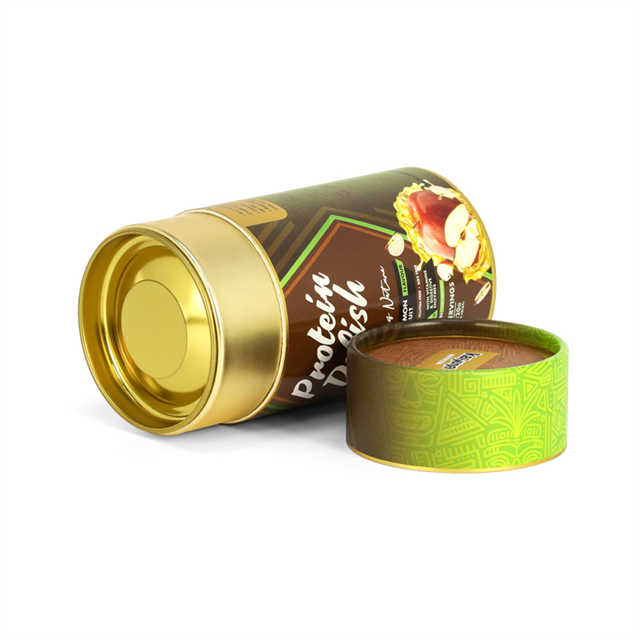
Nuts, baked snacks, and cookies contain high fat volumes. They require strict grease resistance above all else. This prevents exterior paper staining. It also stops lipid oxidation from ruining the flavor profile. PE laminates serve as the optimal match here. Advanced barrier coatings also perform well for shorter shelf lives. Properly matching this specification protects your brand image on the retail shelf. Grease spots on the exterior destroy consumer appeal instantly.
Coffee and premium loose-leaf teas are highly aromatic. They release vital gasses after the roasting process. They require a total oxygen barrier to preserve flavor. They also need structural integration for one-way degassing valves. Aluminum foil lining provides the optimal match for these demands. It allows for reliable hermetic sealing capabilities. This combination traps the volatile aroma compounds inside. It simultaneously prevents outside oxygen from staling the delicate product.
Spices, cocoa powder, and hard candies face different threats. They require absolute moisture blocking first and foremost. Moisture intrusion causes severe caking and clumping. This ruins the consumer dispensing experience. Metallized films act as an optimal match for long-term storage. Heavy-duty aqueous coatings work well for fast-moving consumer goods. You must evaluate your expected inventory turnover rate carefully. Faster turnover allows you to utilize more sustainable, moderate-barrier options safely.
Material migration presents a severe scientific risk. Chemical compounds can move from the packaging into the food matrix over time. Adhesives pose a specific threat during temperature fluctuations. Recycled paper fibers often contain trace contaminants. Degraded liners can shed micro-particles into sensitive powders. You must understand this mechanism to ensure ultimate food safety. Migration ruins product taste. More importantly, it violates strict public health standards.
You must verify compliance through strict regulatory lenses. The substrate itself requires thorough vetting. The coating or liner also demands explicit clearance. You need FDA Direct Food Contact clearance for the US market. The European market requires EFSA clearance. Indirect food contact certification is entirely insufficient for loose goods. You must demand the exact compliance certificates for the specific liner grade. Do not accept broad, generalized safety assurances from overseas vendors.
Procurement teams must demand independent laboratory testing data. You should request specific migration limit test results. Never accept vague "food-grade" marketing claims at face value. Trustworthy suppliers invest heavily in third-party validation. They provide transparency regarding their raw material sourcing. Your compliant paper tube food packaging liner protects your legal standing. It shields your brand from devastating class-action liabilities. Document every testing certificate rigorously in your quality management system.
You must assess the manufacturer's technical capability first. Do they offer custom tooling for hermetic sealing? You might need rolled edges for safety. You may require metal plug closures for freshness. These closures must work in perfect tandem with your chosen liner. Poor tooling causes micro-tears in the barrier. Micro-tears destroy the OTR rating instantly. Evaluate their manufacturing equipment before signing any long-term supply agreements.
Testing prevents catastrophic market failures. Will the supplier provide physical prototypes quickly? You need these prototypes for accelerated shelf-life testing. You must place them in environmental testing chambers. You must do this before approving full-scale production runs. Reputable manufacturers encourage rigorous pre-production testing. They understand that theoretical specifications often differ from real-world performance. Demand a physical sample run utilizing your exact specified materials.
Assess the manufacturer's quality control tolerances critically. High-volume production introduces new variables. Liner delamination risks increase as machine speeds increase. Ask about their in-line inspection protocols. How do they detect microscopic barrier flaws during a massive run? You need a partner capable of scaling safely. They must maintain the exact same barrier integrity on unit one million as they did on unit one.
The interior liner serves as the functional engine of your packaging. The outside drives the initial sale. However, the inside guarantees the repeat purchase. You cannot afford to treat the barrier as an afterthought. It controls moisture. It blocks oxygen. It prevents chemical migration.
We advise decision-makers to prioritize food safety first. You must determine your non-negotiable shelf-life requirements immediately. You can then work backward safely. Find the most sustainable liner option that meets those strict baseline demands. Never compromise on consumer health or product integrity to chase a trend.
You should audit your current product's MVTR and OTR needs today. Gather your quality assurance team for a review. Request specific material specification sheets from prospective packaging partners. Compare their technical data against your established baseline metrics.
A: Yes, it is entirely possible. You can use advanced water-based aqueous barrier coatings. You can also utilize PLA (polylactic acid) liners. However, buyers must accept distinct trade-offs. You will likely sacrifice maximum shelf life for highly sensitive goods. These options work best for fast-moving items.
A: Generally, they are not recyclable. Standard recycling facilities struggle to separate the fused aluminum and paper layers. The pulping process fails to break the strong adhesive bonds. Brands must communicate proper disposal methods clearly. Advise consumers to use the landfill or specialized recycling programs to avoid greenwashing accusations.
A: The liner material determines the available closing options. Some liners allow for direct heat-sealing. Others require hermetical closing with a seamed metal end. Simpler liners only support a basic friction-fitted paper cap. The sealing method directly impacts the final oxygen barrier performance of the entire package.


