


Views: 162 Author: Site Editor Publish Time: 2026-07-27 Origin: Site


Packaging format represents a critical touchpoint for retail differentiation. However, many consumer brands severely underutilize the structural design of their containers as a true branding asset. Transitioning to sustainable packaging often introduces valid concerns about losing premium aesthetics. Brands must carefully balance strict environmental compliance alongside commanding shelf impact. Standardizing a new container shape demands strategic thinking. You do not want to sacrifice visual quality or consumer trust. Evaluating a Push Up Tube requires understanding how its continuous printable surface area and physical engagement work together. You will learn how this tactile user experience and structural simplicity translate directly into measurable brand recall. We will also explore actionable methods to leverage these cylindrical containers. They provide maximum retail visibility, align seamlessly alongside regulatory demands, and actively build long-term brand loyalty.
Uninterrupted Canvas: The cylindrical design of a push up tube offers a 360-degree printable surface, maximizing retail visibility without label seams.
Eco-Halo Effect: Utilizing paper push up tubes aligns with consumer sustainability demands, instantly communicating brand values without extra marketing spend.
Tactile Differentiation: The physical interaction required to operate the tube creates a memorable unboxing and usage experience, increasing product recall.
Risk Mitigation: Successful implementation requires rigorous compatibility testing for moisture barriers and push-disc friction before scaling production.
Cluttered retail shelves and minimal eCommerce attention spans create immense pressure for consumer brands. Shoppers make split-second purchasing decisions based on rapid visual cues. Your packaging must communicate core value instantly to survive in this aggressive environment. Standard plastic packaging formats often blend into the background. They fail to grab consumer attention effectively. You need unique structural designs to break this visual monotony.
The physical interaction required by these specific tubes offers a distinct tactile advantage. Slower, more deliberate user interaction forces momentary focus on the product. Consumers physically push the bottom disc instead of mindlessly twisting a plastic dial. This conscious physical effort significantly improves product recall and brand retention. Engaging the hands creates a memorable micro-moment during daily routines.
We observe this successful pattern across distinct market verticals. Premium cosmetics and natural deodorants utilize this format heavily. It conveys organic formulations and clean ingredients perfectly. Solid serums and artisan perfumes also thrive in this structure. Specialized food applications adopt this innovative shape equally well. Forward-thinking brands use it for sushi packaging or artisan confectionery items. It elevates the standard dining experience into a memorable ritual. Changing the container shape directly forces the consumer to pay attention.
The cylindrical structure provides absolute design scalability for creative marketing teams. You gain a continuous 360-degree canvas for visual storytelling. This clever design eliminates frustrating front and back label constraints completely. Brands maximize necessary space for mandatory regulatory compliance text easily. You achieve this strict legal compliance without crowding essential brand logos or key graphics.
Perceived product value also skyrockets when you upgrade container materials. Thin plastics often feel cheap or flimsy in the hand. Heavier paperboard grades feel substantial, luxurious, and deliberate. You can add custom premium finishes like delicate foil stamping and deep embossing. Embossing creates subtle shadows and highlights. It catches overhead retail lighting beautifully. These physical elements strongly signal a high-end product tier.
Furthermore, adopting this packaging generates a powerful "eco-halo" effect. Visible cardboard textures passively communicate corporate social responsibility directly to the buyer. You broadcast plastic-free commitments clearly without spending extra advertising dollars. Conscious consumers actively seek out these responsible material choices on retail shelves. It builds immediate trust before they even try the product inside. We continually see how well-designed paper push up tubes transform simple commodity items into luxury purchases.
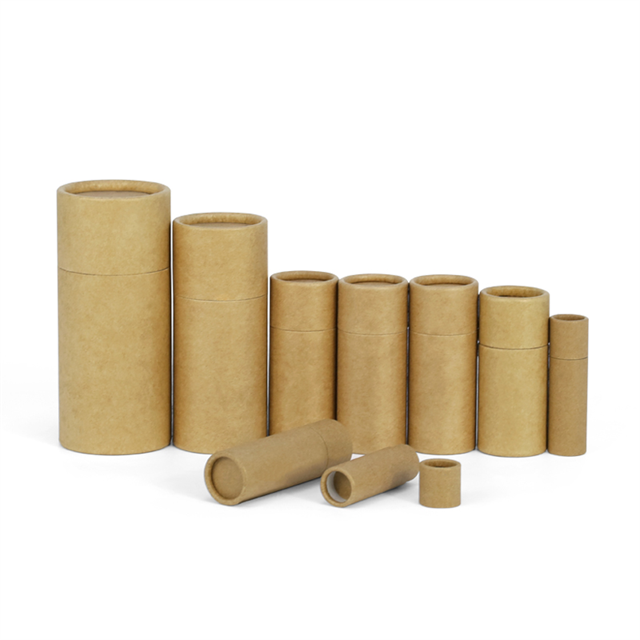
Structural integrity directly impacts daily user satisfaction. Component simplicity gives paper designs a massive functional edge. They feature significantly fewer moving parts than standard molded alternatives. You avoid fragile plastic screw gears entirely. This brilliant structural minimalism means drastically lower failure rates during routine consumer use. Users rarely experience a jammed or broken turning dial.
Let us examine the overall cost-to-benefit ratio carefully. You might notice slightly higher initial unit costs at massive scale. However, you must compare this against the substantial marketing premium gained. Sustainable market positioning allows brands to command higher retail prices confidently. This offsets initial procurement investments easily.
Environmental compliance serves as a core marketing claim here. You can leverage end-of-life disposal facts to attract eco-conscious demographics globally. Emphasize full recyclability and home compostability features to stand out. Consumers simply toss the empty shell directly into standard paper recycling bins. Moving away from complex plastic assemblies simplifies your broader supply chain.
Mechanism Feature Breakdown
Feature Category | Paper Push Design | Standard Plastic Twist Dial |
|---|---|---|
Moving Components | Minimal (base disc only) | High (gears, internal stems) |
Mechanical Failure Rate | Extremely low | Moderate to high over time |
Eco-Positioning Value | High (recyclable and compostable) | Low (often landfill bound) |
Tactile Consumer Feel | Premium, substantial, deliberate | Standard, expected, generic |
Sizing logic remains crucial for brand consistency across multiple product lines. You must adapt physical dimensions carefully for varying inventory SKUs. A standard 0.3oz lip balm requires a much smaller, precise diameter. Conversely, a 2oz body deodorant needs a wider, robust base for daily stability. Wide-diameter food containers demand entirely different structural proportions altogether. Maintaining a cohesive visual family across these different sizes requires careful planning.
Print and finish capabilities remain highly flexible for creative design teams. You can achieve vibrant branding without ever sacrificing ecological claims.
Assess exact Pantone color matching for strict brand consistency across all printing runs.
Utilize sustainable soy-based inks for remarkably vivid graphic saturation.
Apply protective water-based surface coatings instead of harmful plastic laminates.
Regulatory and safety compliance requires diligent oversight from internal quality teams. Ingestible products need verified food-grade inner linings to meet strict international laws. We commonly see plant-based waxes, foil barriers, or PLA coatings used here. You must also ensure packaging suppliers use certified non-toxic adhesives. This crucial step prevents any chemical leaching into delicate cosmetics or specialized food items. These strict preventative measures protect consumer health alongside your brand reputation.
Brands often rush production cycles and skip crucial functional testing phases. Successful implementation requires evaluating structural performance under intense real-world conditions. You must test your exact product fill extensively before signing off on mass manufacturing.
Moisture and Oil Barrier Testing: Conduct rigorous accelerated aging tests to prevent packaging degradation. You must prevent ugly oil spotting on the exterior paper surface. Oil seepage destroys perceived value instantly. It ruins brand aesthetics over a standard 12-month shelf life.
Mechanism Friction Evaluation: Climate sensitivity impacts raw paperboard drastically. Ensure the bottom disc pushes smoothly without sticking in high humidity environments. Conversely, verify it does not dry out and drop loose in extremely dry conditions.
Transit Durability Assessment: Evaluate overall crush resistance across your typical supply chain routes. Assess exterior scuffing risks during standard warehouse palletization. Direct-to-consumer shipping networks put immense physical stress on cylindrical shapes. Perform standardized drop tests.
Catching these functional issues early saves massive capital investment. Test your physical components thoroughly to maintain the intended premium consumer feel.
Selecting the right container shape demands strict strategic logic. Create a rigorous decision matrix for your packaging procurement team. You should select this packaging format for high-margin products targeting eco-conscious markets. Avoid this specific format for highly liquid products requiring absolute airtight, leak-proof seals.
Vendor evaluation becomes your next major operational hurdle. You must establish strict vetting criteria for shortlisting global suppliers. Evaluate their minimum order quantities carefully for highly custom prints. Verify their standard production lead times during busy peak seasons. Check their internal structural prototyping capabilities thoroughly. Always demand recognized FSC certifications for responsible global paper sourcing.
Your immediate actionable next step remains relatively simple. Request unprinted structural samples from your shortlisted packaging suppliers. Ask for accurate digital die-lines for your internal design team. You can then conduct physical product-fill testing immediately. This validates your formula compatibility before spending marketing budgets.
Transitioning to cylindrical paper formats transforms passive packaging into an active marketing tool. Your container becomes a physical extension of your core brand values.
Focus on elevating the tactile user journey to build strong customer loyalty naturally.
Prioritize material compatibility testing to protect your physical product integrity perfectly.
Align your specific packaging choices seamlessly alongside broader corporate sustainability targets.
Order structural blank samples today to evaluate physical dimensions and friction tolerances.
Start small by converting a single high-margin SKU first. Gauge consumer market response carefully before rolling out the new format across your entire catalog.
A: They handle oil-based solid products beautifully if properly lined. We highly recommend utilizing specific barrier linings inside the cylinder. Plant-based waxes or PLA coatings prevent oils from seeping into the exterior paperboard. You must conduct rigorous compatibility testing with your exact formula before full adoption. They are generally not recommended for thin, purely liquid products.
A: You will typically encounter a slightly higher upfront unit cost. However, this is often balanced perfectly against the elimination of secondary packaging. You rarely need an additional outer box for these items. The increased perceived value also allows brands to command higher premium retail prices effortlessly.
A: You enjoy incredible design freedom. The main body and cap offer a continuous 360-degree wrap capability for seamless artwork. However, you must account for minor print limitations at the very base and the rolled rim edges. Keep critical text away from these rolled friction zones.
A: Provide realistic timelines for your internal teams. You should expect typically 4 to 8 weeks depending on the specific supplier. This timeframe covers initial structural sampling, minor dimension adjustments, proof approvals, and final mass production. Peak manufacturing seasons may extend these timelines slightly.


