


Views: 0 Author: Site Editor Publish Time: 2026-09-03 Origin: Site


A custom packaging box is far more than a simple protective shell. In a highly competitive retail environment, it serves as your final salesperson on the shelf. It also acts as a critical factor in determining your overall unit economics. Navigating material constraints, complex printing thresholds, and fast-paced fulfillment logistics presents major challenges for modern businesses. These common hurdles frequently lead to costly over-engineering where brands spend unnecessarily. Alternatively, companies risk compromising their vital shelf appeal just to save a few production cents.
This guide provides purchasing managers and brand owners with an objective, reliable evaluation framework. You will learn step-by-step methods to expertly specify, design, and source your materials. Ultimately, this comprehensive approach protects your operating margins while successfully driving in-store product conversions.
Align packaging material strictly with product weight, retail environment (shelf vs. hanging), and target Cost of Goods Sold (COGS).
Choose printing methods (offset, digital, flexo) based on your Minimum Order Quantity (MOQ) and scalability needs.
Prioritize structural integrity and fulfillment speed over complex aesthetics to reduce hidden labor costs.
Never skip physical prototyping; digital proofs cannot validate structural durability or true color accuracy on physical substrates.
Before choosing aesthetics, you must establish strict operational criteria. Your retail packaging box must meet specific business metrics first. Start by establishing strict Cost of Goods Sold (COGS) thresholds. Determine the maximum allowable packaging cost per unit. The industry standard typically ranges from 3% to 10% of the product's retail price. This percentage depends heavily on your specific margin profile and target audience. High-margin luxury items can justify higher spend, while budget items demand lean solutions.
Next, carefully analyze the target retail environment. Evaluate exactly how stores will display the final product. Will warehouse clubs stack it on bulk pallets? Will pharmacies hang it on aisle pegboards? Or will boutiques place it on premium eye-level shelves? Each display scenario demands completely different structural dimensions and material choices.
You must also weigh fulfillment and labor considerations heavily. Assess your distribution facility's assembly times carefully. Boxes requiring complex folding routines inflate fulfillment center costs rapidly. The same applies to heavy tape assembly. We highly recommend utilizing crash-lock base designs to speed up assembly lines. Faster assembly protects your overall unit economics.
Finally, define your precise protection requirements accurately. Calculate the expected fragility index of the internal product. The retail packaging must withstand rugged transit from the manufacturer to the warehouse. From the warehouse, it travels to the distributor, and finally to the store shelf. It must accomplish this entire journey without any visual compromise. A crushed corner or torn flap ruins shelf appeal instantly.
Material selection drives both physical performance and consumer perception. You must align the chosen substrate directly with your product's specific physical demands.
A custom cardboard packaging box provides exceptional structural durability. It works best for heavy, fragile, or unusually bulky items. Household appliances, bulk cosmetics, and subscription-style retail kits rely heavily on this tough material. Corrugated boards come in various flute sizes like E-flute or B-flute for different protection levels.
Clear pros and cons exist for corrugated solutions. They offer superior crush resistance and unmatched stacking strength. They protect delicate contents perfectly during rough transit scenarios. However, they can look somewhat utilitarian or industrial. To elevate the aesthetic for retail shelves, you need high-quality litho-laminating. This process adds cost but drastically improves visual appeal.
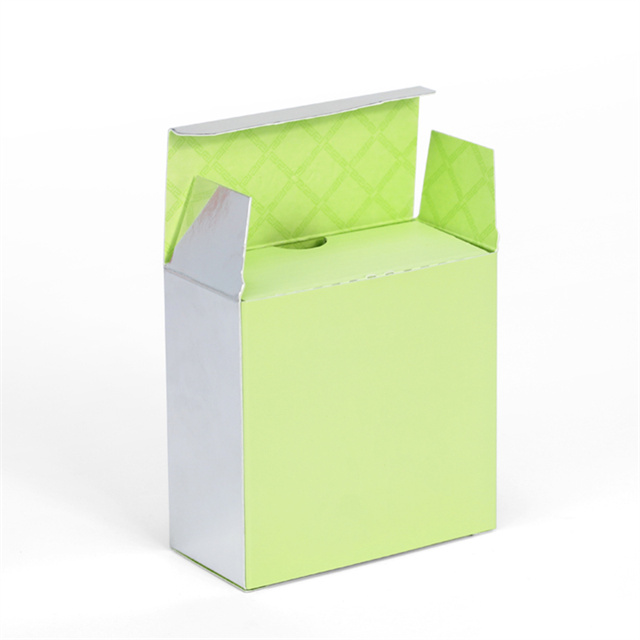
A standard paper packaging box utilizes flat folding carton material. It suits lightweight consumer goods perfectly. Dietary supplements, standard cosmetic tubes, and dry food items fit this category very well.
This option proves highly cost-effective when produced at scale. The smooth paperboard provides an excellent, uniform print surface. It handles highly detailed vector graphics and complex photography beautifully. On the downside, it offers very minimal impact protection. You should never use it for heavy glass containers without designing rigid internal inserts first.
Rigid boxes target high-margin, exclusive luxury goods exclusively. Premium electronics, fine jewelry, and high-end spirits require this premium unboxing experience. The thick chipboard core provides a heavy, substantial feel.
They deliver an unmatched premium tactile feel. Their rigid structural strength feels highly substantial in the consumer's hands. However, they incur very high production costs. They also demand a massive storage footprint inside warehouses. Unlike standard folding cartons, you cannot ship them flat. This physical limitation results in significantly higher freight costs across the board.
Printing transforms blank functional materials into compelling brand assets. Choosing the correct print technology matters immensely for a successful custom printed box run.
Digital printing suits low volume production perfectly. It remains ideal for low Minimum Order Quantities (MOQs). You benefit from extremely quick turnarounds and easy variable data integration. This helps brands manage seasonal SKU variations without wasting old inventory. However, digital methods yield a much higher cost per unit at scale.
Offset (Litho) printing serves as the absolute gold standard for retail. It requires much higher MOQs to justify the heavy setup. You must pay upfront tooling and metal plate costs. Yet, it delivers the highest possible color fidelity. It provides precise Pantone matching for strict brand guidelines. At commercial scale, it offers the lowest per-unit production cost.
Flexography works best for simple, high-speed production runs. It fits one to three color vector designs very well. We mostly see flexography used directly on corrugated shipping materials.
Print Technology Comparison for Retail Packaging
Technology | Best Use Case | MOQ Requirement | Cost per Unit at Scale |
|---|---|---|---|
Digital Printing | Variable data & seasonal SKU variations | Low (100 - 500 units) | High |
Offset (Litho) Printing | Premium retail & precise Pantone color matching | High (1,000+ units) | Low |
Flexography | Simple vector designs on corrugated materials | Medium to High | Medium |
Surface finishes heavily influence consumer buying behavior in stores. Use basic matte or gloss laminations to create immediate tactile contrast. This subtle contrast draws the consumer's eye naturally. It also provides a thin layer of scratch resistance.
You should reserve high-cost embellishments for the primary facing panel only. Spot UV curing, metallic foil stamping, and deep embossing drive up costs quickly. By restricting them to the front display face, you maximize your visual ROI. You avoid wasting expensive finishes on the hidden back panel.
Always mandate CMYK or Pantone (PMS) physical proofs. Require these proofs printed on the actual final substrate. Material absorption rates dramatically alter the final color output. A vibrant brand red printed on glossy coated paper looks fantastic. That exact same ink printed on uncoated kraft board looks dull and muddy. Physical proofs prevent costly mass-production surprises.
Sustainability and complex logistics directly impact your operational bottom line. You must evaluate the long-term supply chain implications of your structural design.
Optimize your structural dieline thoroughly before approving artwork. Your primary goal is to minimize blank space on the master sheet. Smaller flat box footprints drastically increase your overall pallet density. This simple geometry adjustment allows you to fit more units per truck. It reduces your outbound freight costs significantly.
Evaluate vendor compliance with modern eco-friendly mandates closely. Modern consumers actively look for sustainable packaging choices on the shelf. We recommend following these specific environmental criteria:
Source FSC-certified materials to ensure highly responsible global forestry practices.
Integrate post-consumer recycled (PCR) content directly into the paperboard substrate.
Specify soy-based or water-based inks for all primary print layers.
Eliminate unnecessary single-use plastic window patching from the overall design.
These informed choices meet strict large-vendor compliance standards. They also satisfy growing consumer expectations for green packaging.
Calculate the exact warehousing cost of your chosen packaging formats. Folding cartons and standard corrugated boxes ship completely flat. They require very little warehouse shelf space prior to assembly. Rigid boxes tell a completely different story. Because they arrive fully constructed, they ship mostly air. They demand significant climate-controlled warehouse space. This massive spatial footprint eats into your operating margins rapidly.
Finding a highly reliable manufacturing partner ensures consistent quality control. You must vet potential suppliers through a strict evaluation process.
The vendor should provide robust, in-house structural engineering support. They must create precise custom dielines for your specific projects. They should also suggest appropriate internal protective inserts. Custom molded pulp or precise corrugated dividers protect delicate items well. The vendor should base these detailed suggestions entirely on your product's unique dimensions and weight.
A trustworthy production partner always offers physical prototyping services. They will supply plain structural samples for rigorous testing. We call these unprinted samples "white mockups." You use them to test physical product fit thoroughly. You must do this before requiring any bulk financial commitment. Digital 3D renderings cannot replace physical drop testing.
Demand highly transparent, itemized quotes from every vendor. Separate the raw unit cost from the required tooling fees. Tooling includes the custom cutting dies and the metal printing plates. Isolate inbound freight and initial setup fees as well. This financial clarity helps you avoid hidden margin erosion later.
Establish highly acceptable variance rates early in the negotiation. Manufacturing is not perfect, and minor deviations will occur. Establish acceptable variance rates for these exact production variables:
Noticeable color shifting across large offset print runs.
Die-cut shifting during the high-speed cutting and creasing phase.
Glue adhesion strength across different extreme climate conditions.
Fold line cracking on areas with heavy ink coverage.
Define these exact engineering tolerances clearly before signing any Purchase Order (PO).
Selecting the right packaging format requires a careful, calculated balance. You must constantly weigh your aesthetic ambition against harsh structural reality. Protecting your unit economics remains paramount throughout the entire design process. A beautiful box that crushes during transit ultimately damages your brand reputation.
Before finalizing your graphic artwork, take immediate actionable steps. Audit your product's precise weight and fragility index first. Define your strict maximum budget per unit based on target margins. Request structural dielines from vetted manufacturers. Finally, obtain plain white-box prototypes from at least two different sources. This critical step validates your concept effectively in the real world.
A: Digital prints can start as low as 100 to 500 units. Offset printing typically requires MOQs ranging from 1,000 to 3,000 units. These higher minimums are necessary to remain economically viable due to expensive initial plate and setup costs.
A: Generally, you should budget 3% to 10% of the product's total retail price. However, production volume, core material choices (folding carton vs. rigid board), and premium finishes heavily dictate the final invoice price.
A: A dieline is the flat, 2D vector template showing exact cut and fold lines. Your packaging manufacturer should provide a custom dieline based on your product's exact dimensions. Your graphic designer then uses this file to place artwork.
A: Yes, corrugated mailer boxes bridge both channels quite effectively. You must ensure the exterior design appeals to retail shelves visually. Meanwhile, the structural integrity must simultaneously meet strict courier crush-test standards.


