


Views: 0 Author: Site Editor Publish Time: 2026-09-10 Origin: Site


The packaging you choose for beauty products serves a vital dual function. First, it strictly protects fragile primary containers like glass bottles and delicate compacts from transit damage. Second, it acts as the absolute primary driver of retail sales and unboxing conversions. Selecting the wrong structural design introduces significant business risk to your brand. Poor choices inevitably lead to product damage and unhappy customers. They also create inflated shipping weights and cause severe brand devaluation in a competitive market. We created this objective framework to help you navigate these common pitfalls successfully. You will discover exactly how to match specific beauty products with the right box materials. We will also guide you through selecting structural styles and implementing custom inserts. Read on to completely master your product packaging strategy.
Product Weight Dictates Material: Heavy glass perfumes require rigid board structures with custom inserts; lightweight cosmetics can utilize cost-effective folding paperboard.
Style Impacts Margins: A premium lid and base box elevates perceived value but increases unit cost and shipping volume compared to flat-shipped folding cartons.
Protection First: The best cosmetic packaging box balances aesthetic finishes (foil, embossing) with structural integrity (drop-test compliance).
Prototyping is Non-Negotiable: Never mass-produce a custom cosmetic box without testing a physical prototype with the actual product inside.
Before you select any materials, you must assess your specific product profile. This foundational step prevents costly errors later in the production cycle. Packaging engineers always start by measuring the exact dimensions and weight of the primary container. You should never guess these metrics.
Fragility & Weight: You must distinguish carefully between high-risk and low-risk items. High-risk items include heavy, glass perfume bottles. These demand rigid structural support to prevent shattering upon impact. Low-risk items encompass plastic skincare tubes and shatterproof powder palettes. You can safely package these low-risk items in lighter, more flexible materials. Understanding this distinction prevents you from over-packaging cheap items or under-packaging fragile ones.
Retail vs. E-commerce: Evaluate exactly how you plan to sell the product. E-commerce fulfillment requires much higher crush resistance. Packages endure harsh handling through automated delivery networks. Couriers often stack heavy parcels on top of lighter ones. Conversely, retail environments require high-visibility surface finishes. You also need tamper-evident features to guarantee safety on physical store shelves. Glossy UV coatings or foil stamping help the product catch overhead store lighting.
Shelf Life & Storage: You must account for warehouse temperature fluctuations and humidity levels. Improper paperboard can easily warp under these environmental conditions. We see this often during summer ocean freight shipments. You must choose substrates built to withstand long-term storage environments. Moisture-resistant coatings can help mitigate these warehousing risks.
Selecting the core substrate determines both the protective qualities and the perceived value of your product. You must align the material choice with your specific brand positioning and budget constraints.
SBS (Solid Bleached Sulfate) Paperboard:
Best for: Standard cosmetics, lightweight skincare, and folding cartons.
Pros: SBS offers excellent printability for vibrant colors. Brands rely on it when they need crisp typography and bright imagery. It proves highly cost-effective for large runs. It also die-cuts effortlessly into complex shapes.
Limitations: It provides insufficient rigidity for heavy items. If you place a heavy glass jar in a standard SBS carton, the base may collapse. It also lacks the premium weight associated with true luxury items.
Rigid Setup Board (Greyboard wrapped in paper):
Best for: Luxury skincare sets and the standard perfume packaging box.
Pros: Rigid board delivers unyielding structural support. This material provides a highly premium tactile feel. Consumers immediately associate heavy rigid boxes with high-end luxury.
Limitations: These boxes ship fully assembled. You essentially pay to ship empty air, which creates higher freight costs. They also carry a higher unit cost compared to folding cartons.
Kraft & Eco-Friendly Alternatives:
Best for: Clean beauty brands prioritizing organic positioning.
Pros: Kraft is highly recyclable. It clearly communicates sustainability to eco-conscious consumers. Its natural brown texture provides an earthy, authentic aesthetic.
Limitations: The porous surface limits complex printing and foil stamping capabilities. Inks tend to absorb into the paper, appearing muted. It often requires a specific cosmetic paper box design to maintain proper structural rigidity.
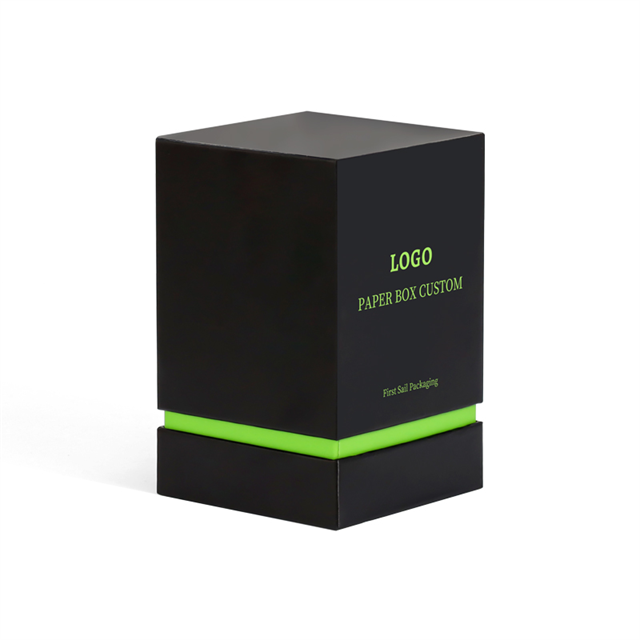
The physical structure of your packaging dictates the entire unboxing experience. You must balance the desired consumer interaction against manufacturing complexities. We outline the most prevalent structural styles below.
Table: Beauty Packaging Structural Styles Comparison
Box Style | Primary Use Case | Cost Level | Shipping Format |
|---|---|---|---|
Straight / Reverse Tuck End | Mascaras, lipsticks, light creams | Low | Ships Flat |
Lid and Base Box | Perfumes, premium serums | Medium-High | Fully Assembled |
Magnetic Closure | PR kits, luxury holiday sets | High | Fully Assembled |
Drawer / Match-Slide | Palettes, artisan fragrances | Medium-High | Fully Assembled |
Straight Tuck End & Reverse Tuck End (Folding Cartons):
Use Case: Mascaras, lipsticks, and lightweight creams.
Decision Driver: This style supports high volume production. It remains extremely budget-friendly. Because these cartons ship flat, they save massive amounts of warehouse space.
The Lid and Base Box (Two-Piece Rigid Box):
Use Case: High-end perfumes, gift sets, and premium serums.
Decision Driver: This structure creates a slow, friction-based unboxing experience. Industry professionals call this "the Apple box effect." A well-designed lid and base box supports complex custom inserts beautifully. It builds anticipation as the consumer lifts the lid.
Magnetic Closure Boxes:
Use Case: Influencer PR kits, luxury holiday collections, and high-value fragrance sets.
Decision Driver: These boxes offer maximum perceived value. Consumers often keep them for home storage, increasing reusability. They represent the highest cost tier due to hidden magnets and complex assembly.
Drawer / Match-Slide Boxes:
Use Case: Artisan perfumes and cosmetic palettes.
Decision Driver: The sliding mechanism provides a unique interactive unboxing moment. It also offers excellent structural rigidity. The double-walled sides protect delicate pressed powders from side impacts.
A beautiful exterior means nothing if the product breaks inside. You must engineer internal security tailored to the primary container. Additionally, your external artwork must accommodate strict legal regulations.
Evaluating Custom Inserts (Crucial for Perfumes):
You cannot place a heavy glass bottle directly into an empty box. It will rattle, scratch, or break. You need an engineered insert to hold it firmly in place.
Die-cut Cardboard: This remains highly cost-effective and fully recyclable. It works best for standard cosmetics. It folds into specific shapes to cradle lighter items.
Molded Pulp: This option provides an excellent eco-friendly narrative. It is highly protective for heavy items. However, it requires much higher minimum order quantities (MOQs) because custom metal tooling is expensive.
EVA Foam / Sponge: Foam provides maximum shock absorption for fragile glass perfumes. It holds heavy bottles perfectly tight. Historically, EVA foam was less eco-friendly. Fortunately, new sustainable and biodegradable foam alternatives are emerging in the market.
Regulatory & Compliance Formatting:
You must factor legal compliance into your dieline early. Running out of printable space forces you to ruin the aesthetic layout later. Follow these crucial steps:
Ensure the box dieline accommodates mandatory legal requirements immediately. You must leave room for INCI ingredient lists.
Place the PAO (Period After Opening) jar symbol clearly on the back or bottom panel.
Allocate high-contrast white space for barcodes to ensure they scan easily at retail checkout counters.
Leave a designated blank area for stamping batch codes and expiration dates during final production.
Account for specialized printing tolerances. Fine-print legibility becomes difficult on textured papers. You might need to adjust font weights to ensure the ingredient list remains readable under regulatory guidelines.
Choosing a manufacturing partner requires due diligence. You must transition from viewing digital concepts to testing physical realities. A systematic prototyping roadmap guarantees your final production run will succeed.
Requesting Dielines & Blank Samples: You should always verify the unprinted structural sample first. Test it for fit, friction, and closure integrity before you apply any artwork. If the blank sample feels flimsy, adding full-color printing will not fix the problem. You must demand precise structural engineering up front.
Tolerance Testing: Never trust a box until you test it. Conduct rigorous drop tests and transit simulations. You must place the exact primary container inside the prototype. The container must be fully filled with actual product. An empty glass bottle behaves differently than a full one during a drop impact. Test it exactly as the consumer will receive it.
Assessing Total Landed Cost: When shortlisting a supplier for a custom cosmetic box, you must look beyond the basic unit price. Factor in MOQs. Calculate tooling fees for custom inserts or specific embossing dies. Most importantly, evaluate volumetric shipping weights. Fully assembled rigid boxes take up massive space in shipping containers. This volume drastically increases your total landed cost.
Color Consistency: Always require physical press proofs. Digital proofs cannot accurately represent specialty finishes. A PDF file will never show you how metallic inks, foil stamping, or soft-touch laminations will actually appear. You must view the physical proof under standard retail lighting to ensure the brand colors match your expectations precisely.
The optimal cosmetic packaging box represents a highly calculated intersection of product safety, brand positioning, and supply chain logistics. You cannot sacrifice structural integrity merely to achieve a beautiful aesthetic. Heavy glass bottles demand rigid supports, while lighter items offer more flexible, cost-effective options.
We strongly encourage buyers to transition away from merely browsing material catalogs. Instead, take immediate action. Start by measuring your physical containers. Request blank structural samples from your manufacturing partners. Finally, standardize your dielines based on actual, tested product dimensions before committing to mass production. This disciplined approach guarantees a flawless unboxing experience.
A: Rigid board is the industry standard. Manufacturers typically use 1-2mm thick greyboard wrapped in specialty paper. You must pair this rigid exterior with a custom foam or molded pulp insert to firmly protect the fragile glass bottle.
A: Yes, but only if you pair it with the right corrugated outer mailer. Standard folding paperboard provides excellent retail presentation but lacks crush resistance. It should never be used as the sole shipping container for e-commerce deliveries.
A: It requires thicker, heavier materials and a much more labor-intensive manufacturing process to wrap the greyboard cleanly. Additionally, it ships fully assembled. This empty volume significantly increases freight costs compared to cartons that ship flat.
A: Folding cartons often range from 500 to 1,000 units. Custom rigid boxes typically require MOQs of 1,000 to 3,000 units. This higher threshold covers the extensive setup time and expensive tooling costs required for rigid manufacturing.


